
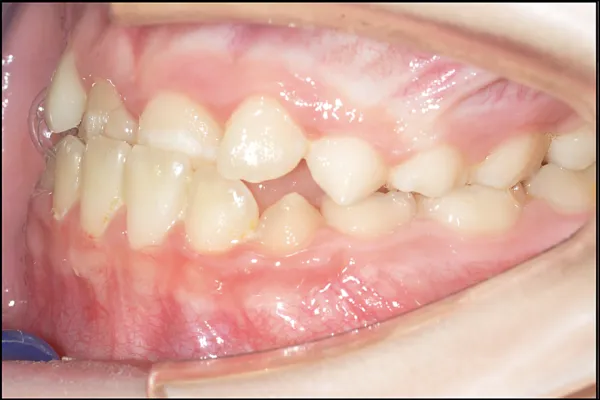
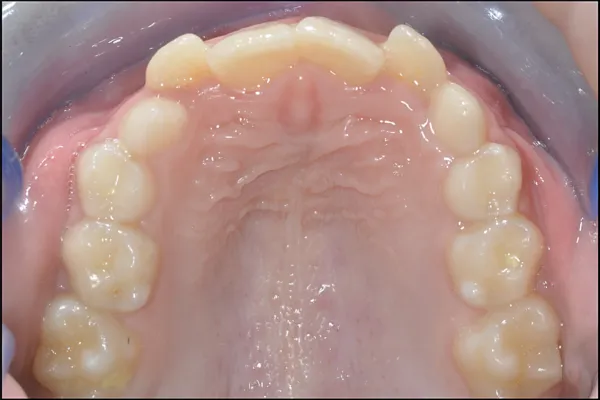
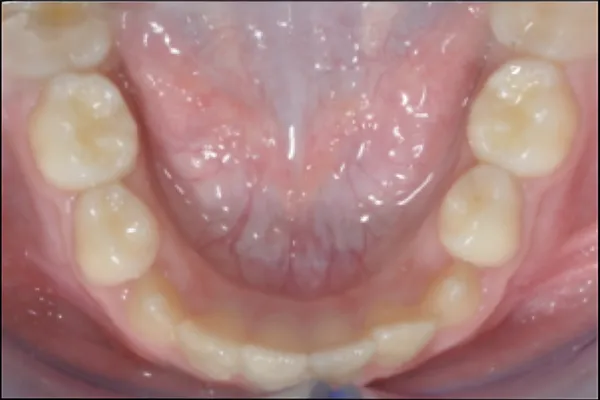
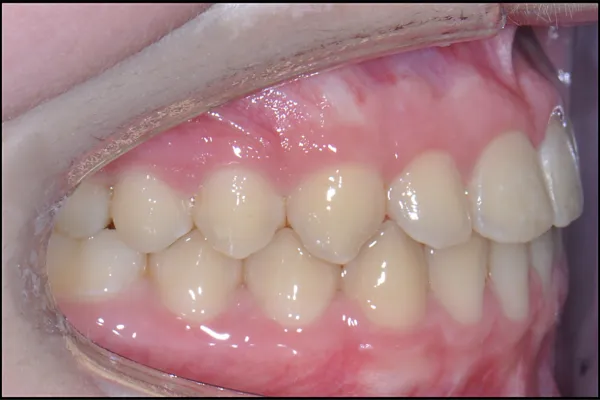
Anterior crossbite
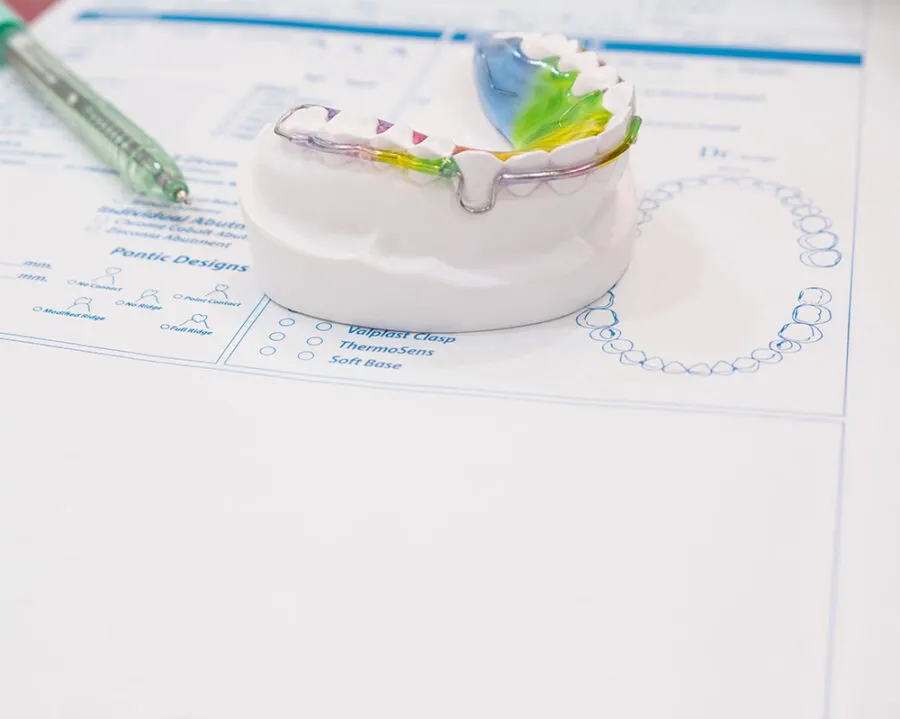
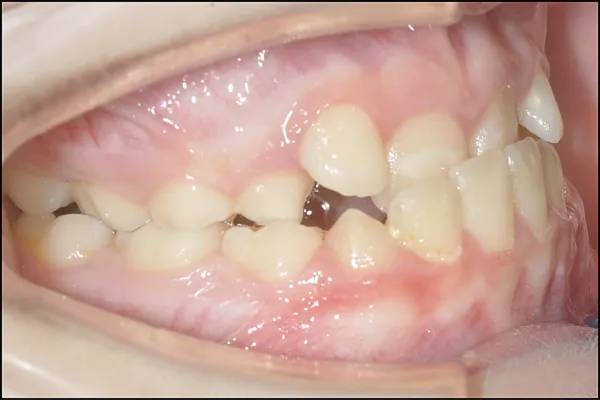
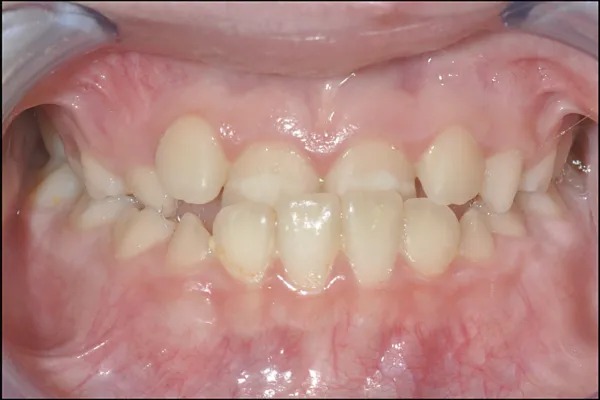
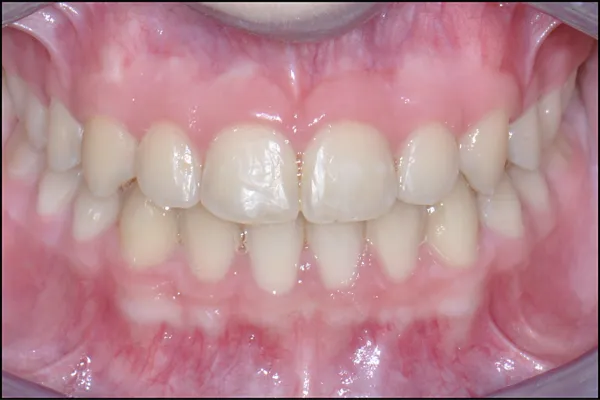
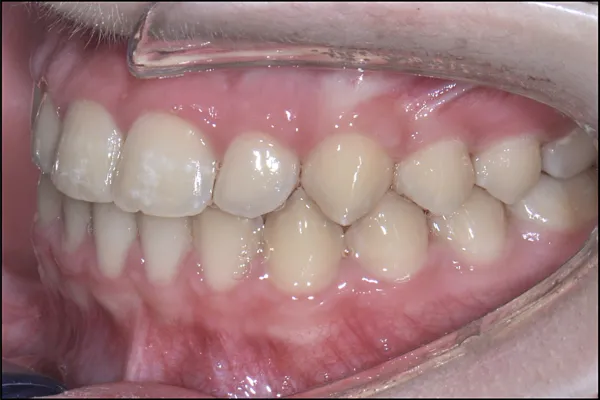
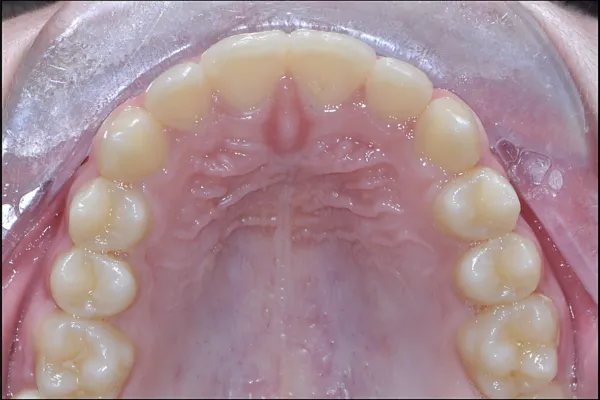
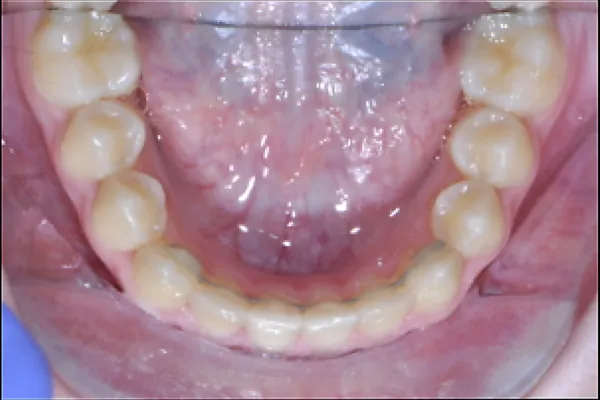
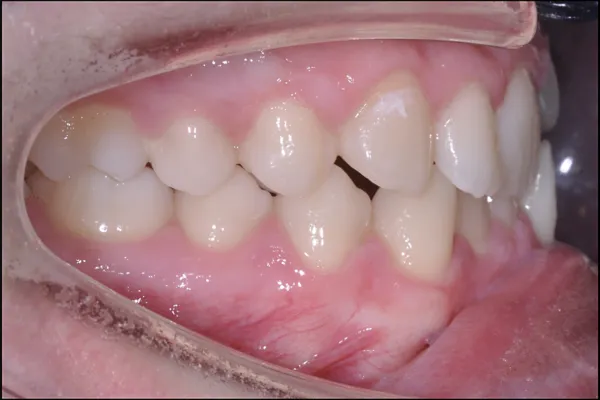
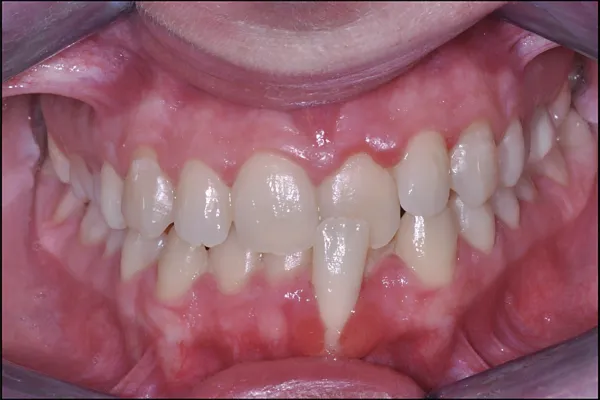
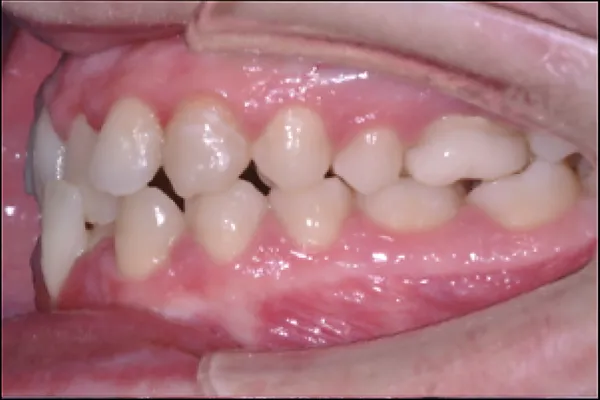
Reverse bite, or anterior crossbite, is a condition in which the upper teeth close inside the lower teeth (the opposite of how it should be), and it is often a sign of a more significant skeletal problem called Class III malocclusion. This skeletal feature, which is often hereditary, requires early treatment to improve it. Young patients should therefore be examined straight away, without waiting for their milk teeth to be replaced, to ensure effective and timely treatment. Various appliances can be used for each specific case, from removable to fixed ones, and this type of problem often requires treatment in several phases, to be reassessed over time during growth.
Before
After
Lingual braces
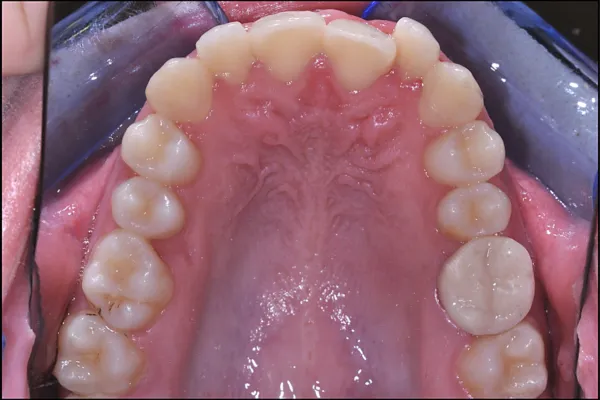
The lingual appliance technique makes it possible to align the teeth with an appliance on the INSIDE of the teeth, and therefore practically INVISIBLE. The appliance is fixed and is activated by me during regular visits. It can be applied to both the upper and the lower arch and can involve the use of LINGUAL brackets or the technique without brackets, known as bracketless.
Before
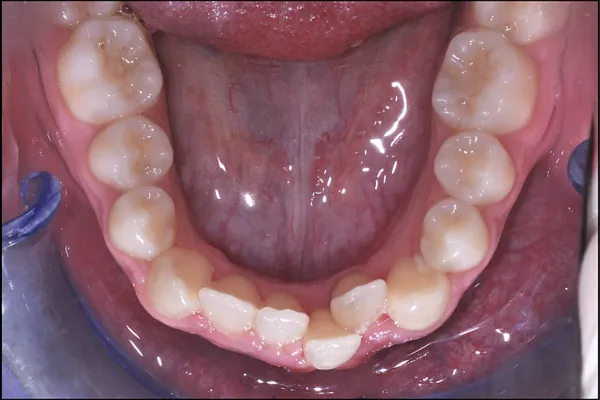
After
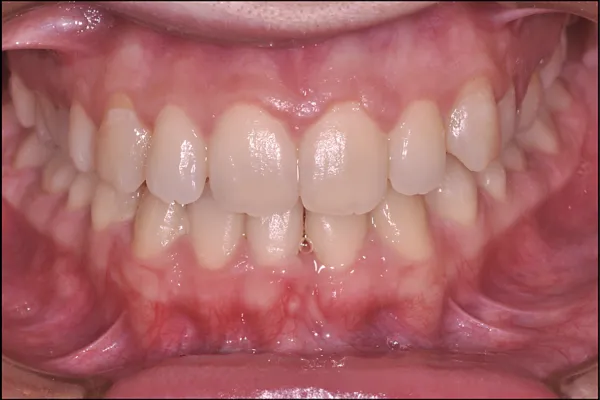
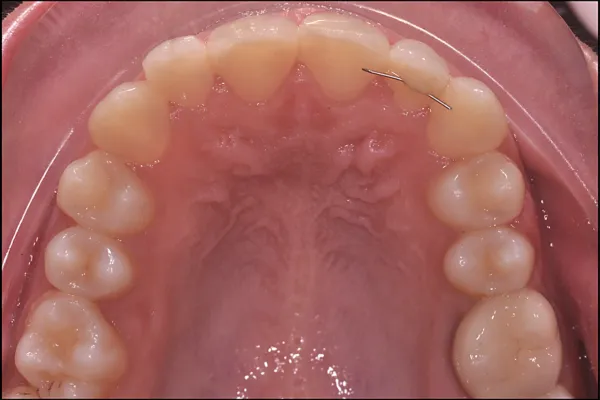
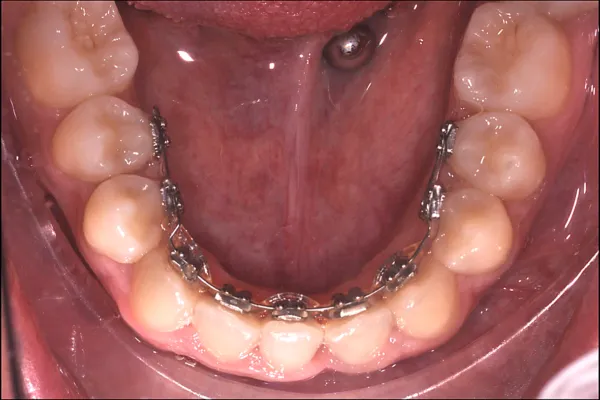
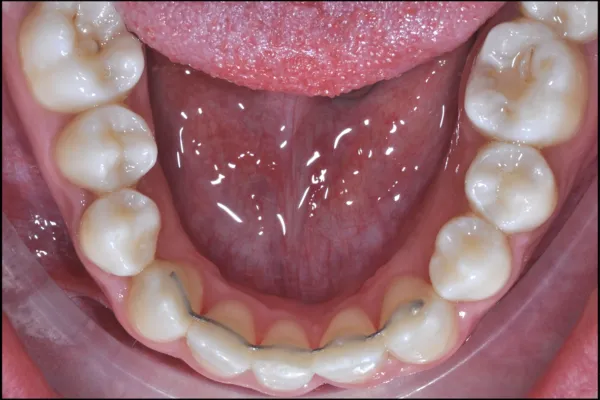
Invisible lingual orthodontics without brackets
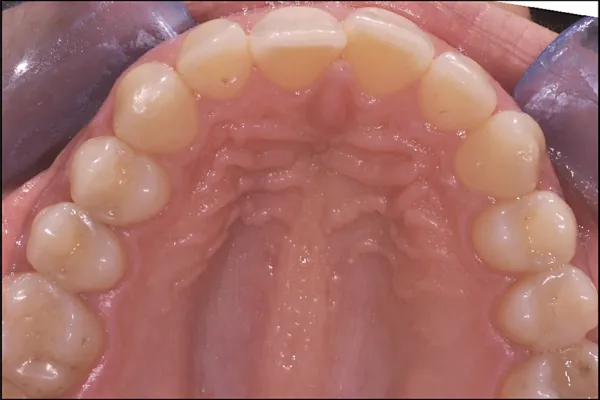
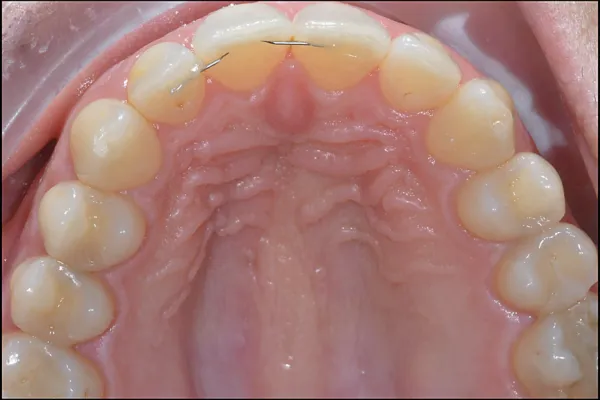
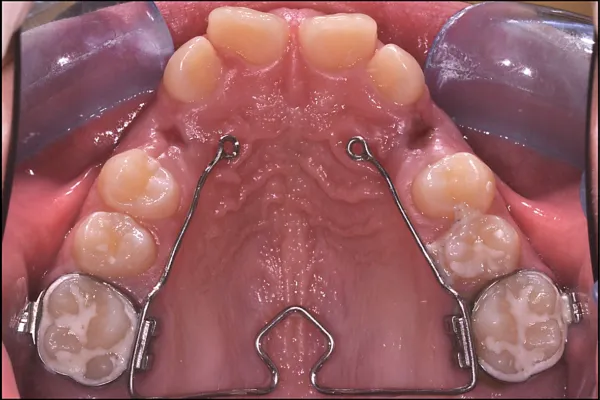
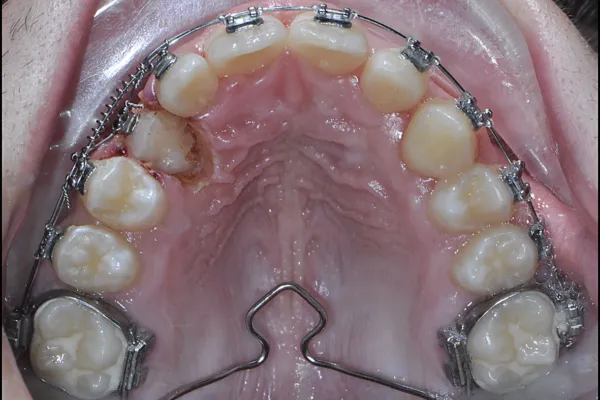
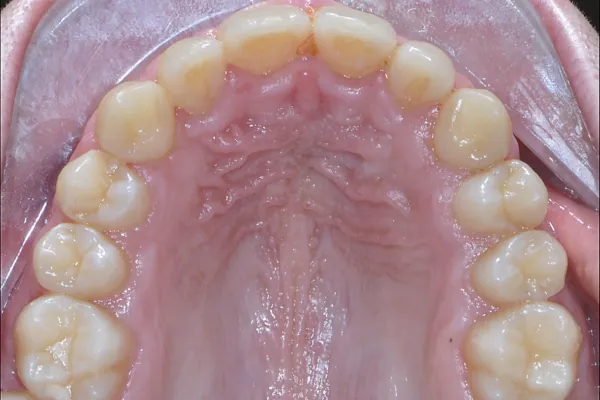
Impacted teeth
Sometimes permanent teeth are unable to erupt on their own. This problem often affects the permanent canines (which erupt at around 10-13 years of age), but it can also affect other teeth (incisors) for various reasons, for example related to trauma the patient suffered at a very early age, when they still had only milk teeth. In these cases early diagnosis is important in order to plan correct treatment with a good chance of success. Orthodontic appliances are often needed to help these teeth find their way. Having all the teeth in the arch in their correct position is essential for the correct development and correct phonation of the mouth.
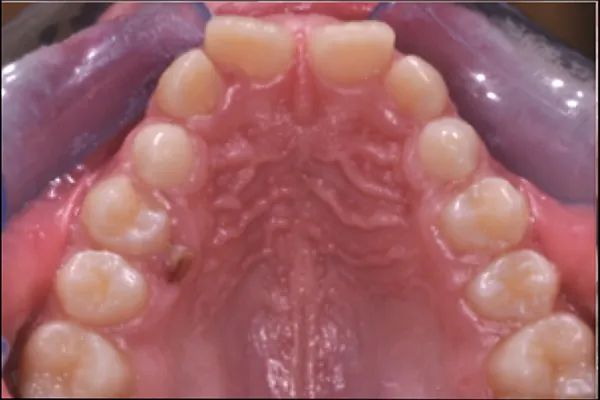
You can find out how we do this at the practice on the page about orthodontics and Invisalign.