

Every day at a dental clinic we meet increasingly demanding patients with very different requests. Patients have distinct concerns and motivations and, as professionals, it is important to be able to understand and meet them and to offer the treatment best suited to each case. There are various types of brackets that we can use in different orthodontic treatments. Each bracket has distinct characteristics and is better suited to a particular type of treatment. That is why it is important to know them all.
The best brackets in terms of durability:
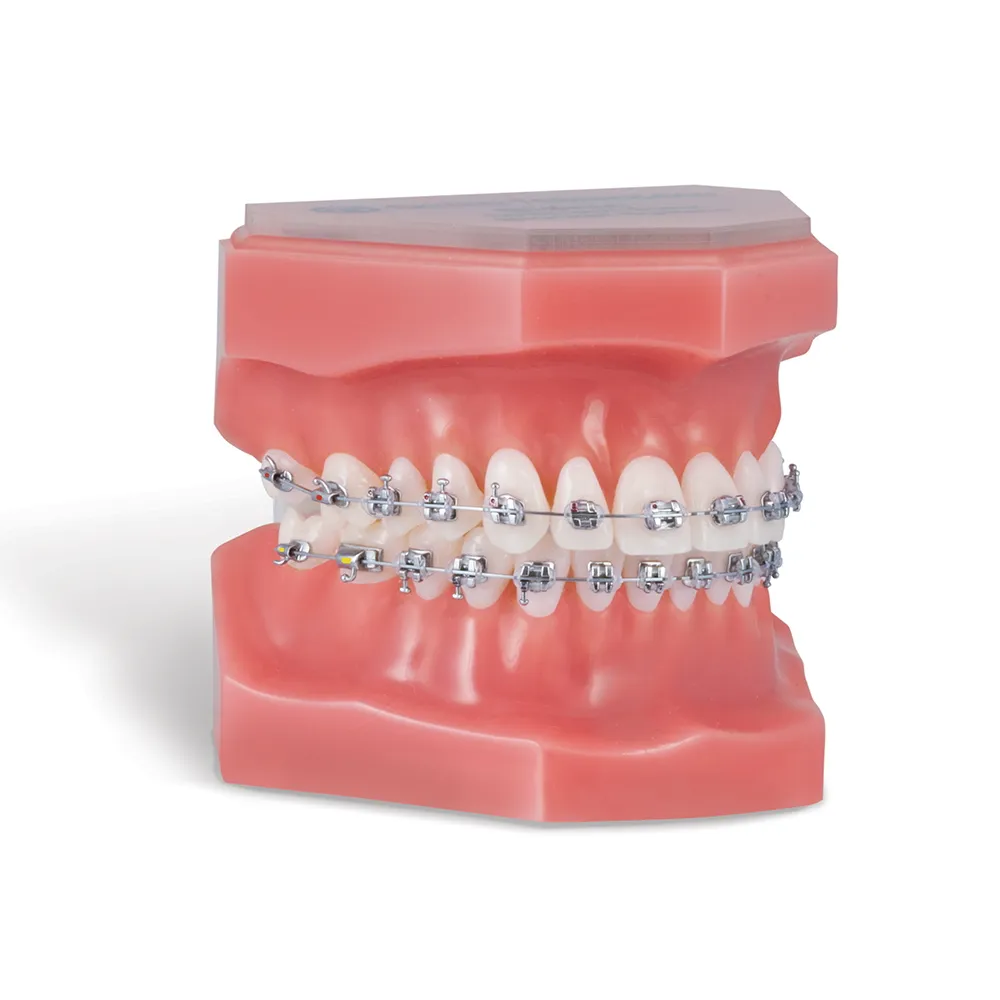
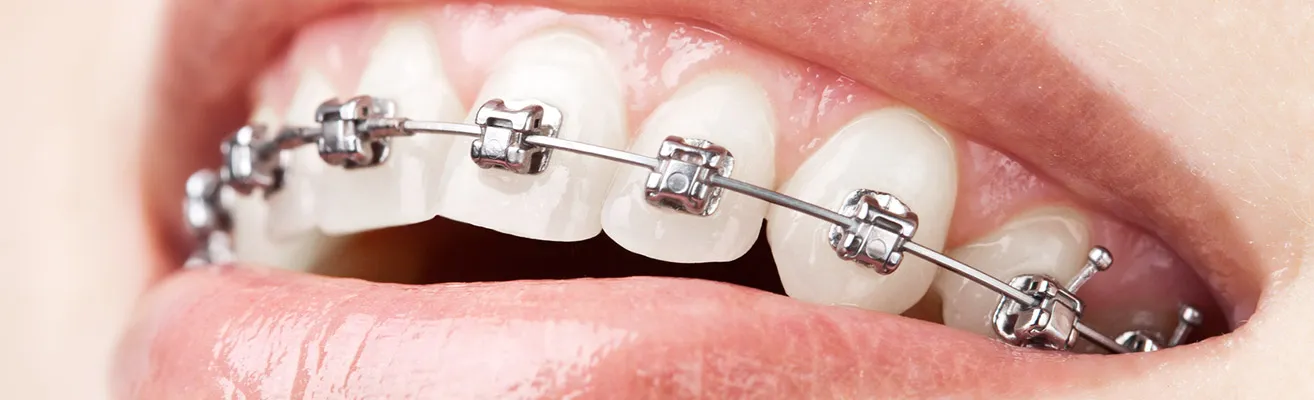
If we consider durability alone, the best brackets on the market are metal brackets, since they are practically indestructible and need little maintenance. This is one of the factors that make metal brackets the most widely used in children’s orthodontics. However, sapphire brackets and ceramic brackets are very similar to metal ones in terms of durability, and this should not be a critical factor when choosing.
Very different from the previous ones are plastic brackets and resin brackets, as they are much more delicate. This leads to frequent breakages during treatment, causing discomfort to the patient and costing the dentist a lot of time in replacements and repairs.
 The best brackets in terms of aesthetics:
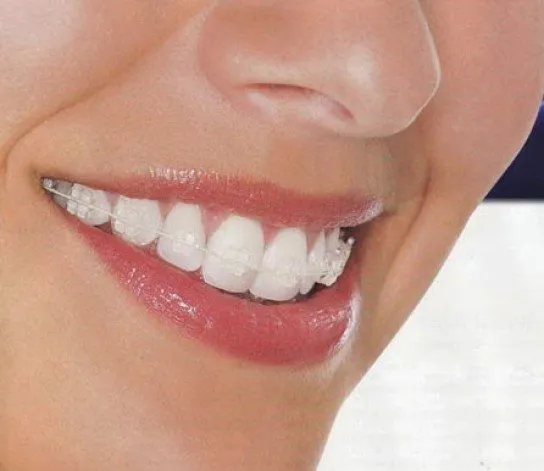
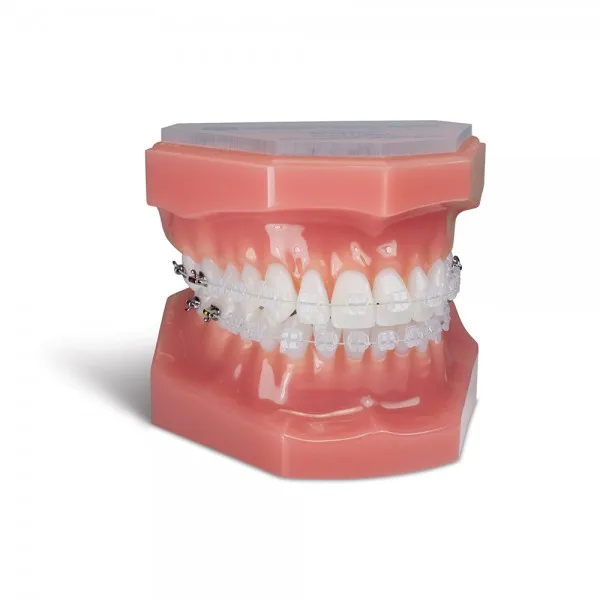
When it comes to aesthetics, the winners are sapphire brackets, which are practically transparent. Moreover, since these brackets are made of a crystal-like material, they do not change colour over time and keep their appearance throughout treatment. Sapphire brackets are comparable in appearance to other solutions such as “Invisalign”, and it is a good idea to use them together with aesthetic archwires (white in colour) if we want the orthodontic treatment to go as unnoticed as possible. In addition to these, there are ceramic brackets, which look similar to sapphire ones at the start of treatment but which, if the patient is not very careful with hygiene and does not avoid foods such as coffee, tea, etc., end up getting darker after a few weeks.
Finally, there are metal brackets, which should be reserved for treatments where aesthetics is not a major concern for the patient.
The best brackets in terms of adhesion:
Metal brackets achieve the best adhesion to the tooth surface. This is one of the reasons why they are the undisputed winners for children’s orthodontics, as they are very unlikely to come off. With modern ceramic and sapphire brackets, the surfaces are treated to obtain greater roughness in the bonding area.
The best brackets in terms of patient comfort:
At the start of orthodontic treatment it is normal for the patient to feel some discomfort, since we have introduced a foreign body into the mouth that they have to get used to. There are no great differences in patient comfort depending on the bracket material. We need to take the quality of the bracket into account, as quality brackets have smoother edges so as to chafe the patient’s mouth as little as possible.
The best brackets in terms of oral hygiene:
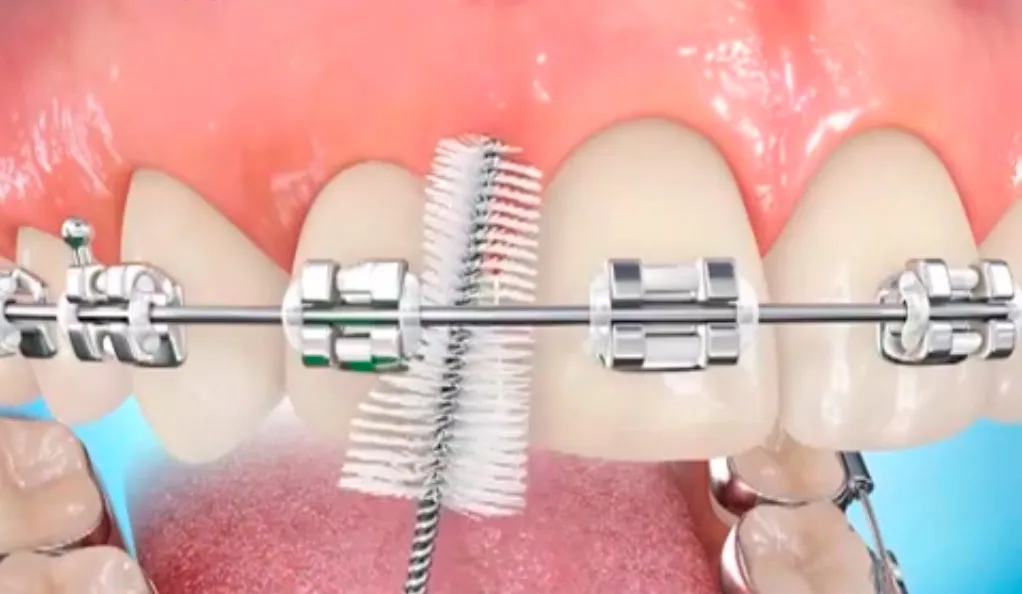
It is advisable to insist that the patient maintain good oral hygiene with any type of bracket. However, metal brackets are the most forgiving in this respect, since their dark colour keeps any yellowing of the ligature from showing. With ceramic brackets and sapphire brackets we need to be much more thorough with cleaning, because it is far more noticeable when the clear plastic ligature starts to turn yellow.
 The best brackets in terms of price:
For orthodontic treatments where price is a critical factor, metal brackets are the winners. There are very inexpensive metal brackets, but it is essential to make sure that they are of proper quality and have all the certificates required to be sold in the European Union. More expensive still are ceramic brackets and, last of all, we find sapphire brackets, which should be reserved for treatments in which aesthetics is an important factor.
The best brackets in terms of treatment speed:
If what we are looking for is to shorten treatment time, the material or design of the brackets is not particularly important. In this respect, low-friction self-ligating brackets are the best, making it possible to speed up treatment by a few weeks. Self-ligating brackets are usually metal, but ceramic self-ligating brackets also exist. This type of bracket is more expensive than conventional brackets, but it reduces treatment time and consequently the patient’s visits and the professional’s time, so it is often worth using them.
 As mentioned at the beginning of the article, the type of bracket to use will depend on the treatment and on the patient’s individual characteristics. That is why it is important to know all the types available on the market in order to offer each patient the best options.
You can find out how we do this at the practice on the page about orthodontics and Invisalign.